



On algorithms, attention and the slow disappearance of our own taste.
What the fuck is the algorithm trying to tell me?
Lately, I’ve caught myself deep inside content I don’t even like.
Not content I hate enough to leave. That would be easy. I mean the kind of content that keeps me there without giving me anything in return. The same spaces, the same references, the same objects, the same lives—repeated until they begin to feel strangely desirable.
And it has made me wonder: is this actually my taste, or have I simply seen it enough times?
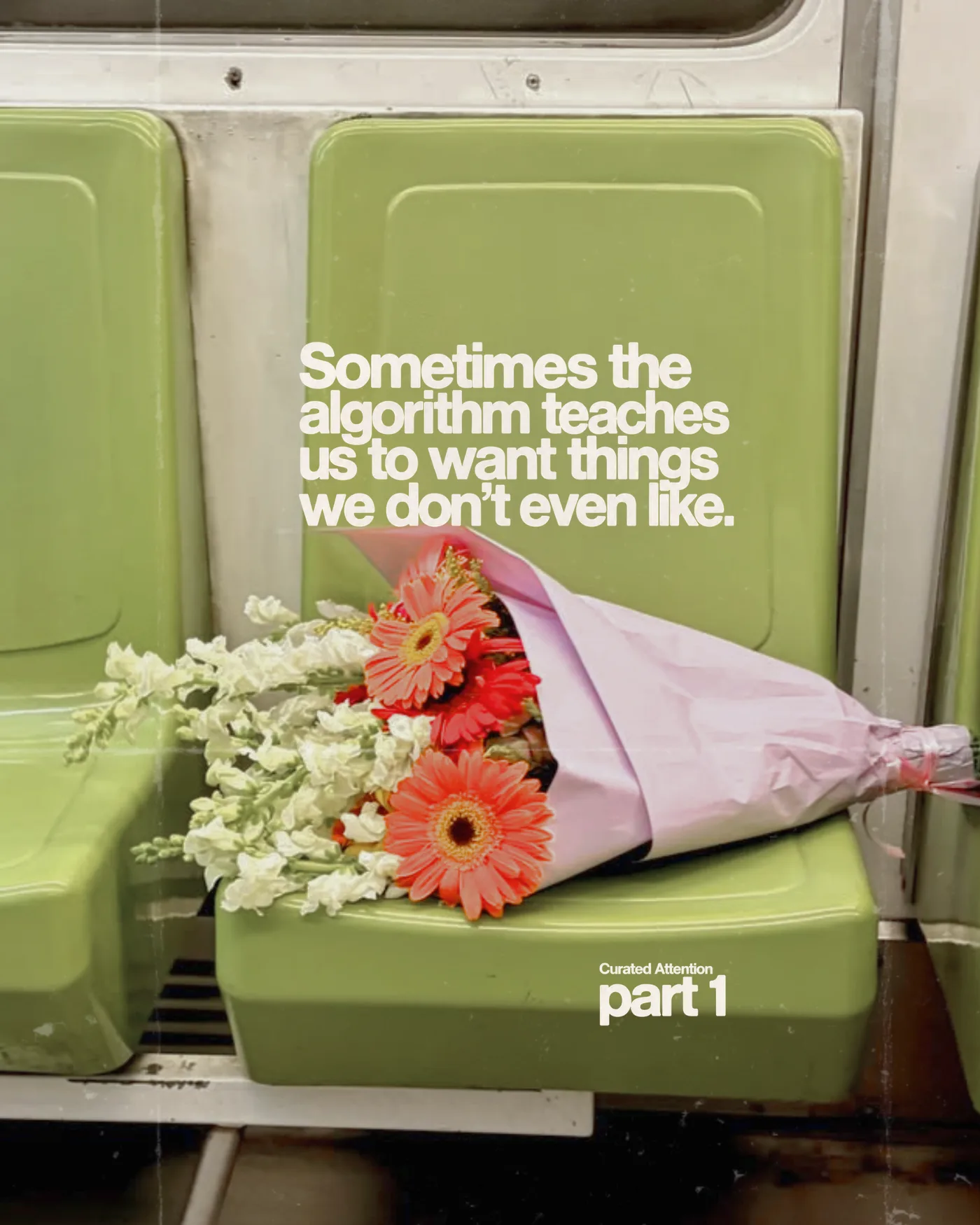
The algorithm doesn’t know what I love. It knows what makes me pause.
Those are definitely not the same thing.
When familiarity starts to feel like taste
The algorithm is incredibly good at recognizing behavior. It notices when we slow down, revisit something, open the comments or watch a video twice. It takes that brief moment of attention and interprets it as desire.
Then it gives us more.
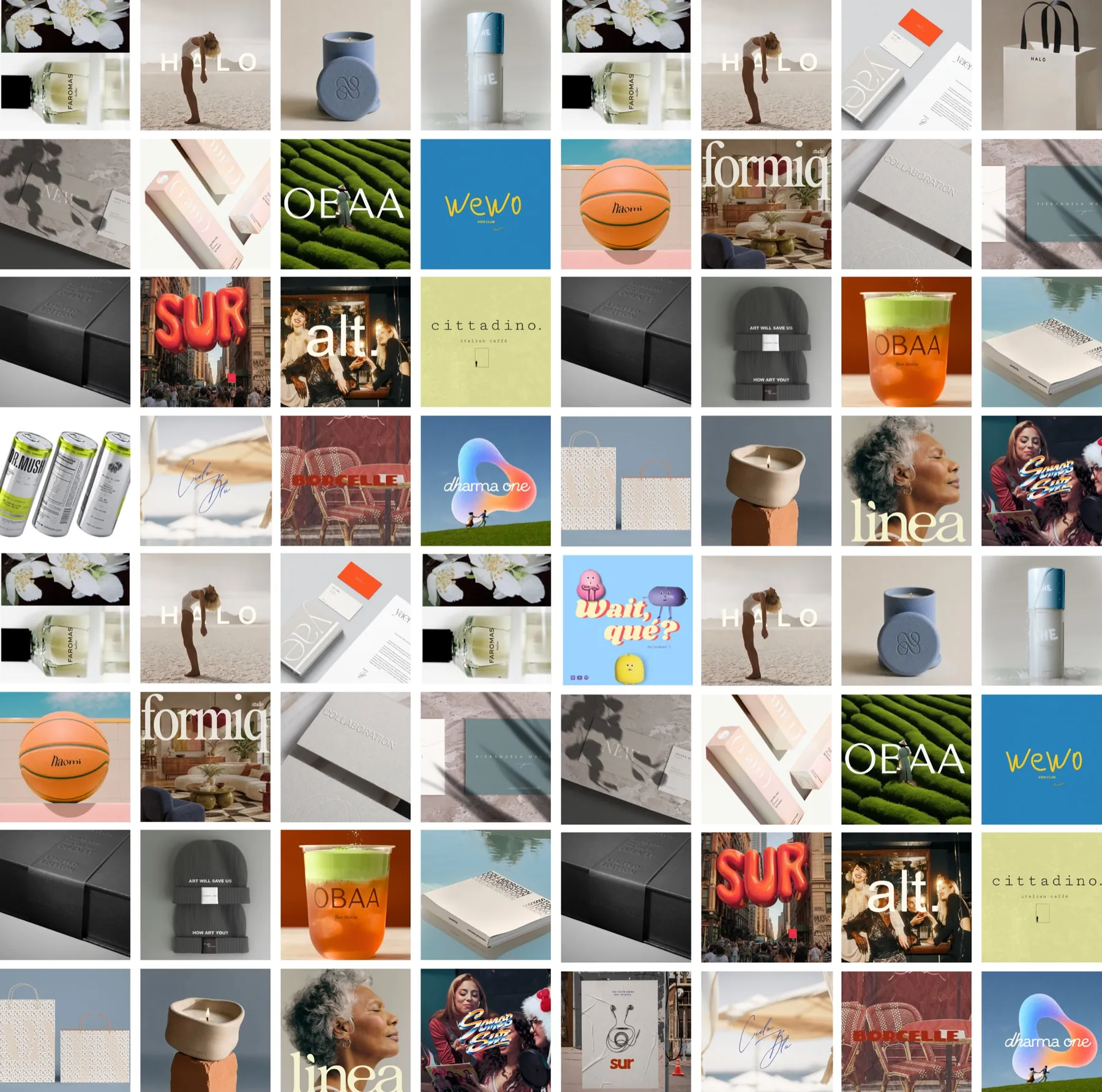
More of the same room. The same face. The same typeface. The same chair. The same lifestyle presented from a slightly different angle.
Eventually, recognition becomes familiarity. Familiarity becomes preference. Preference begins to feel like taste.
And suddenly, we’re wanting things we never consciously chose.
That is what unsettles me as a consumer. I can no longer assume that everything I save, want or recognize as beautiful reflects something honest about me. Sometimes it only reflects what has been placed in front of me often enough.
There is a subtle difference between discovering something and being conditioned to recognize it. Online, that difference is becoming increasingly difficult to see.
What happens to the creative eye?
As a creative director, I find this even more dangerous.
Our work is shaped by what we allow into our eye. Every image, film, space, object and conversation becomes part of the visual archive we carry with us. Even when we are not consciously referencing something, it influences what feels familiar, current or “right.”
But what happens when we are all being fed the same references?
We may believe we are developing an instinct when, in reality, we are becoming fluent in the same visual language as everyone else.
This is how everything begins to resemble everything.
Our attention is being directed toward the same narrow selection of ideas. The algorithm rewards what is already recognizable, and recognizable ideas are easier to repeat.
The result is a strange contradiction: we have access to more references than ever, yet our visual worlds can feel increasingly similar.
The next time something catches your eye, don’t ask if it’s good.
Ask if it’s yours.